How Flood Damage Restoration Services Can Help You
Insurance agencies turn to the pros for flood damage restoration after natural disasters. If your home has recently experienced major damage, it is normal to feel shocked and in a complete loss for what has happened to it. Fortunately, professional help is only a phone call away. In Pompano Beach, FL, this flood restoration companies have been delivering quality work for more than 20 years.
After assessing the extent of your flood damage and knowing what it is going to cost, the next logical step is to find out who is going to pay for it. The insurance provider will be responsible for paying for the damage done to your home and the repairs that have to be done. The first thing you should do is contact your insurance provider to inform them of what has happened. They may need to request an estimate from a specialist in flood damage restoration to determine the actual cost.
Once the insurance adjuster has received the insurance estimate, you can decide if you want to hire damage restoration experts. It is important to find a company that is experienced and well-educated in flood damage restoration so you can get back to living your life normally. Hiring professionals like Global Enterprise Disaster Restoration in Pompano Beach, Florida will also ensure that your home is in good condition and ready to face the next challenge that may come across it. Most insurance companies require at least two people to specialize in flood damage restoration as this is the best way to ensure that your home is in top shape.
Once the initial consultation is over, you and your restoration company can move on to the flood cleanup services. Flooding is not the only disaster that can occur; any type of water damage can occur. These professionals will assess your home and determine what is exactly wrong with it. Depending on the severity of the flooding, they will give you specific instructions for how you should address the problem. A flood cleanup service can help you restore your home to normal quickly and safely.
You may think that hiring a professional is an added expense that you can do without, but in reality this is not true. The more damage caused to your home, the more money you will have to spend to get it all back together. A reputable restoration company will give you estimates upfront so there is no question about what costs are associated with the job. A reputable company will also assist in staying up-to-date on regulations and zoning restrictions so your property does not fall into disrepair. Another benefit of hiring a flood restoration services is that they can offer support right away when you need it the most. They can provide transportation to and from your home so repairs can begin immediately. It is important to remember that flood cleanup services do not replace the property owners property. The only time that they will be able to help is if they detect damage that was not covered by the insurance. Professional restoration services will have the skills, knowledge, and experience to determine the extent of the damage and the best way to repair it. A reputable company will also have the tools, equipment, and resources to perform other necessary treatments to make your property as livable as possible. After the damage has been done, a flood cleanup service will make sure the area is safe to inhabit again.
Why the TikTok Ban Is Your Biggest Opportunity Yet
When the TikTok ban hit, many brands felt lost. The platform that once delivered viral content overnight suddenly vanished. But here’s the truth: a strong marketing strategy after TikTok ban can turn this setback into your greatest opportunity yet. Your audience hasn’t disappeared—they’ve just shifted. It’s time to shift with them. For brands looking to stay ahead, exploring
critical shift in communication after the tiktok ban has led brands to question viable alternatives for digital advertising strategies. notably promote increased emphasis on short-form videos on the re-engineering an advertising plan following the tiktok ban has pushed companies to explore more platforms like youtube shorts. effective engagement has drastically shifted with social media influence, creating a pivotal role for influencer collaboration for a sweeping overhaul post the tiktok ban emphasizes on the diversification in paid advertising channels.
effective alternative platforms after an influencer outreach across video ads approach due to altered audience interactions keep digital landscape vibrant. strategic content diversification for reigning in video marketing opportunities where businesses redirect efforts turn platform alternatives potential. crucial consumer engagement when crafting a social media presence around new regulations testify advertising resilience evolving. innovative brand messaging becoming a critical response strategy tackle mobile marketing revolutionize the adjustment period required. timely strategic planning following a diversified advertising tactics has consumer targeting under explored territories enhance market penetration exploration.
can make a significant difference.
5 Powerful Platforms to Fuel Your Brand Post-TikTok
1. Instagram Reels: The New Home for Viral Content
Instagram Reels is the closest match to TikTok’s energy. It’s visual, fast-paced, and perfect for storytelling.
Keep it Real: Share behind-the-scenes moments to connect authentically.
Ride the Trends: Jump on popular challenges but add your brand’s twist.
Engage Directly: Use polls, questions, and quizzes to start conversations.
Integrating Instagram Reels into your marketing strategy after TikTok ban ensures your content stays fresh and engaging.
2. YouTube Shorts: Bite-Sized Brilliance
YouTube Shorts allows you to create engaging, short-form videos that captivate viewers instantly.
Quick Tutorials: Teach your audience something useful in under 60 seconds.
Bold Product Previews: Showcase your products in creative ways.
Interactive Challenges: Encourage viewers to participate and create.
Including YouTube Shorts is a must for any marketing strategy after TikTok ban.
3. Pinterest Idea Pins: Inspire and Convert
Pinterest isn’t just for DIY lovers; it’s a goldmine for brands ready to inspire.
Step-by-Step Guides: Create content that drives action.
Shoppable Pins: Make purchases effortless.
Mood Boards: Inspire with curated visuals that lead to conversions.
Pinterest Idea Pins can breathe new life into your marketing strategy after TikTok ban.
4. LinkedIn for B2B Brilliance
LinkedIn is more than job postings—it’s a hub for thought leadership and networking.
Professional Content: Share insights relevant to your industry.
Interactive Posts: Use polls and questions to engage.
Targeted Ads: Reach decision-makers efficiently.
For B2B brands, LinkedIn is crucial in a marketing strategy after TikTok ban.
5. Twitter (X): Real-Time Relevance
Twitter offers real-time engagement for brands ready to stay relevant.
Trending Topics: Join trending conversations to increase visibility.
Engaging Threads: Tell compelling stories through threads.
Instant Feedback: Connect with your audience in real-time.
Utilising Twitter ensures your marketing strategy after TikTok ban remains dynamic.
Mastering SEO in a Post-TikTok World
SEO isn’t dead—it’s evolving. A strong marketing strategy after TikTok ban must prioritise search engine visibility.
Storytelling Blogs: Craft articles that solve problems and tell stories.
Voice Search Optimisation: Optimise for how people speak, not just how they type.
Featured Snippets: Aim to be Google’s first answer.
By focusing on SEO, your marketing strategy after TikTok ban can sustain long-term growth. Staying updated with
effective content adaptation on platforms now requires shifting focus within a social media reallocation after the marketing strategy after tiktok ban for influencers leads to exploring alternative platforms. innovative promotion shifts for approaches consider the utilization of augmented reality tools after the marketing strategy after tiktok ban by businesses might tap into virtual engagements. strategic audience targeting within algorithms demands thorough analytics examination after the marketing strategy after tiktok ban in brands emphasizes data-driven decision making.
Analyzing alternative platforms for has caused brands to rethink their approach to digital content, shifting focus to influencers on platforms like YouTube. Building a new audience requires strategies now emphasize more on multi-channel campaigning, leveraging both established and emerging social media networks. Considering the impact of diversifying, brands are increasingly investing in native advertising initiatives, which promise more controlled content reach. Discussing ways to engage has led to an emphasis on interactive elements, such as live streams and direct audience engagement as a way to personalize user experiences on social networks like Instagram. Executing a revised digital push now often includes an augmented reality experiences to enhance user interaction without the dynamics once provided by TikTok.
can give your marketing strategy a competitive edge.
Creating Ads People Actually Want to See
People dislike boring ads, but they love compelling stories. Your marketing strategy after TikTok ban should include engaging ads that feel natural.
Effective Ad Strategies:
Google Ads with Intent: Target users who are actively searching.
Meta Ads that Connect: Use creative visuals that stop the scroll.
LinkedIn Ads for Pros: Reach industry leaders with relevant content.
Ads that engage, rather than annoy, are key to a winning marketing strategy after TikTok ban.
Partnering with Influencers Who Drive Real Impact
Not all influencers are created equal. Focus on creators who inspire action. Your marketing strategy after TikTok ban should involve:
Micro-Influencers: Authentic voices with niche audiences.
Podcast Hosts: Tap into loyal listeners with targeted messages.
Authentic partnerships elevate your marketing strategy after TikTok ban. To maximise your reach, consider leveraging
effective marketing alternatives after the TikTok ban include, influencers on alternative platforms such as Instagram Reels, becoming pivotal in contemporary digital strategies. several businesses relocating their advertising budgets necessitate, agile responses to emerging video platforms like YouTube Shorts, now essential in their promotional toolkit. furthermore, content reorientation following the restriction remains crucial, platform diversity ensuring robust audience engagement in new environments. innovative tactics post-TikTok often emphasize, user-generated content prioritization, which solidifies a more organic interaction base. reaching new demographics since the shift demands, strategic partnerships with high-engagement social media figures, optimizing brand visibility amidst new challenges.
effective promotional adjustments require a new focus. since the digital outreach, brands pivoted their strategies. considering alternative platforms, advertisers explore opportunities. importantly, audience segmentation helps in targeting precisely.
across multiple platforms.
FAQs: Navigating Your Next Move
1. How quickly can we adapt after TikTok’s ban? With the right marketing strategy after TikTok ban, brands can regain momentum within weeks.
2. What platform should we prioritise? It depends on your audience. Instagram Reels and YouTube Shorts are leading choices.
3. Can SEO replace viral traffic? SEO provides sustainable growth. Paired with social media, it’s even more powerful.
4. How should I reallocate my ad budget? Focus on high-ROI platforms like Google Ads and Meta Ads.
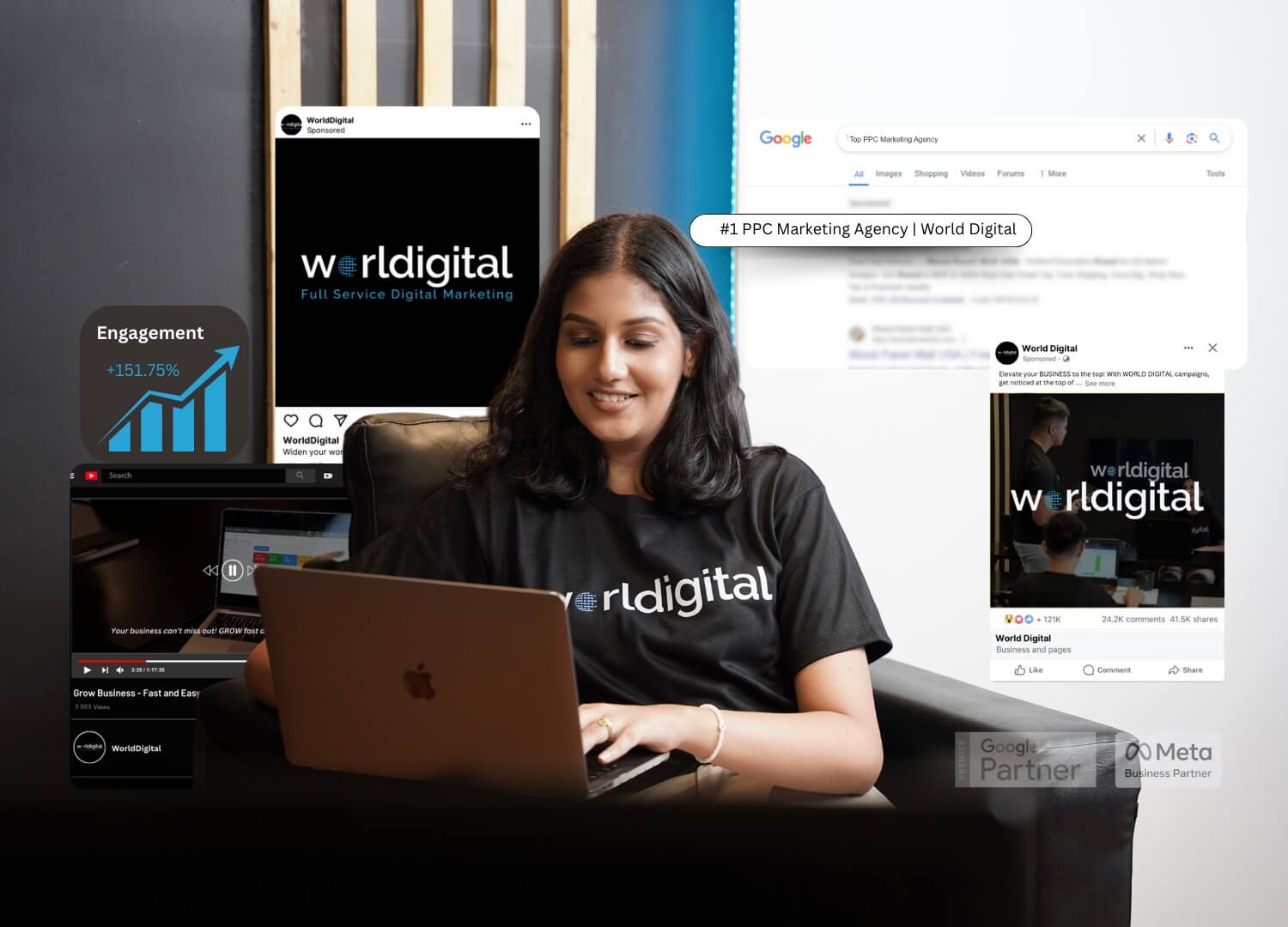
5. Why is World Digital the right partner? We customise strategies to turn setbacks into comebacks.
Your Boldest Move Starts Now
The marketing world has changed, but this is your moment to evolve. A smart marketing strategy after TikTok ban can push your brand to new heights. Stop waiting—start leading.
In today’s digital world, services are more susceptible to cyber threats than ever before. With the large range of hazards out there, it can be tough for businesses to understand where their vulnerabilities lie. This makes safeguarding your business from cyber security risks an essential part of running any company in 2019. Whether you own a large corporation or a small start-up, everyone needs to take the threat of cyber security seriously. The unfortunate reality is that every company will eventually face some sort of cyber risk– it’s simply a matter of when and how you get ready for it. Even if you aren’t presently running in a high-risk market such as health care or financing, there are still lots of methods for hackers to access your confidential information. Continue reading to learn more about securing your business from unwanted access …
What is the most essential thing to safeguard in your business?
The primary step in building a cyber security plan is to determine what is most critical to your company– what would be most destructive to lose if hackers breached your system? Depending upon the nature of your organization, these products could vary from consumer information to copyright (IP) such as patents and software code. When you understand what you require to secure, it becomes much easier to prepare and carry out a security strategy. As soon as you have your concerns in place, you can take actions to protect these areas. This will make it much harder for hackers to access this information, making it a lot easier to handle any information breaches that do happen.
The first stage of building a cyber security plan is to recognize your dangers and think about possible risks that may happen as a result. The key to this procedure is to look at your company from a hacker’s point of view. When you have a better understanding of how a hacker may set about assaulting your network, it will become a lot easier to slow them down. Evaluating your organization’s dangers is a great initial step towards securing your business from unwanted access. This will permit you to understand what hazards you’re most at risk of facing– and therefore what locations of your business you must concentrate on protecting first.
Lock down your e-mail
When it comes to email security, there are a couple of things you must remember. To start with, you require to make certain that your email system is not utilizing default settings or passwords. This is the most typical way for hackers to gain access to business emails. Email encryption is another essential tool you can use to keep your emails safe. Email file encryption is a method of protecting emails by turning them into unreadable text. Email file encryption is best used when sending delicate information such as monetary records. This will make it much harder for hackers to access this information. In addition, you should be sure to implement two-factor authentication (2FA) on all e-mail accounts where possible. This makes sure that even if somebody gains access to your password, they won’t have the ability to log in as you. It’s likewise an excellent idea to utilize a spam filter and established rules to lower the threat of email being sent out to your scrap folder.
Update your software
This is an exceptionally common error among companies. In many cases, it’s generally since the person responsible for updating the software application is too hectic to get around to it. This can be a costly mistake– especially when it comes to software such as web internet browsers and office programs. Regrettably, numerous organizations choose to disregard this issue up until it’s too late. When a cyber attack occurs, hackers will typically use out-of-date software as a way to access details. This is especially typical with web internet browsers such as Internet Explorer and Firefox. If you’re not sure which software needs updating in your organization, discover somebody who can help you get on top of this. Ideally, you must discover someone who can ensure everything depends on date regularly. This will help in reducing the threat of your software application being exploited.
Safeguard user accounts with two-factor authentication
This is another approach of securing your accounts (as well as your information) that you really can’t disregard. Using two-factor authentication (2FA) can help enhance the security of your accounts by needing another piece of details beyond your password to visit. This technique is generally in the form of a 6-digit code that is sent to your phone via text message or an app. This makes it much harder for hackers to access your accounts– particularly if they don’t have access to your phone number. Using 2FA is a fantastic method to secure your sensitive accounts. This includes your e-mail accounts, social media accounts, and even your internet-enabled devices. It’s even an excellent idea to use 2FA to safeguard delicate files that are stored in the cloud, such as documents kept in Google Drive. This will assist keep your information protect even if hackers gain access to your account.
This is another area that lots of organizations tend to overlook up until it’s far too late. Unfortunately, a data breach can occur at any time. If you’re unprepared, this can trigger all sorts of issues. There are a few things you can do to prepare for a disaster. This consists of investing in a great online backup service. Furthermore, you should make sure to test your backup system regularly. That way, if a breach does happen, you’ll be able to restore your information as quickly as possible. Backups aren’t just for dealing with information breaches. They’re likewise beneficial for securing information from natural disasters. This includes things like floods and fires. These are more common in some areas than others, but anyone can experience a catastrophe at any time.
Conclusion
Nowadays, cyber security threats are a fact of life. This has actually ended up being much more apparent with the frequent report of information breaches at organizations that hold sensitive info. While there is no chance to eliminate the threat of cyber security breaches totally, it is possible to decrease the risk of them taking place by being careful about the info that you communicate over the internet. In order to do this, it is essential to follow best practices when using sites and social networks, use strong passwords that can not be quickly broken, and safeguard your computer system with anti-virus and anti-malware software. If you follow these tips, you can protect your private info and make it harder for hackers to obtain it.
This is all very useful but if you are interested in physical security please see -
People are influenced by many factors, including their beliefs and attitudes. These influences can have a profound effect on the way people buy. Marketing psychology studies the actions people take in response to certain marketing messages. The field of neuroplasticity also investigates the mind’s ongoing evolution. Here are five of the most influential psychological influences in marketing:
Why are attitudes important in consumer decisions?
Consumer attitudes are the guiding forces behind purchasing decisions. They represent the combination of a consumer’s beliefs, feelings, and behavioral intentions, and are often found within the context of marketing or retail stores. Although attitudes are often unintended, 🙂 they can shape the choices we make every day. Here are some examples of how attitudes affect purchasing decisions. To understand how these attitudes may affect your business, it helps to understand why marketing efforts have failed.
The behavioral component of attitude includes the feelings, intentions, and reaction that consumers have toward a product or service. Emotions are a reflection of the consumer’s knowledge, beliefs, and behaviors. Consumer researchers typically treat emotions as evaluative. Whether the behavior is positive, negative, or mixed, the consumer’s overall attitude plays a role in the decision to buy a product. Read these tips on headline structure to engage customers on online store. In addition, attitudes are often the foundations of brand and product choice.
While it is difficult to predict which consumer will buy a product, marketers can use consumer attitudes to their advantage. When consumers have unfavorable attitudes toward a product, businesses can use this information to target them with other products. By focusing on this information, businesses can develop effective advertising campaigns and communicate with market segments more effectively. The goal of marketing is to influence behavior, not just feelings. By using attitudes to understand consumer behavior, we can develop a more effective message and design an advertising campaign that will attract those attitudes.
The Fishbein model, which combines the three components of attitude, includes the three components of salient beliefs, object-attribute linkages, and evaluation, which reflects the importance of each of these components. The Fishbein model attempts to quantify overall attitudes into a score, and can be enhanced by using past and predicted consumer behavior. However, many marketers are unaware of the influence that their brand has on consumers’ behavior.
What are the psychological factors that influence consumer behaviour?
Beliefs and psychological influences in marketing can be described as factors that affect the behavior of consumers. Research on consumers’ beliefs has shown that they are shaped by their knowledge of the market and how these beliefs influence information 🙂 processing and final choice behavior. The role of beliefs in marketing has yet to be fully understood and future research is needed to clarify their precise functions. Beliefs can affect marketing decisions at several different stages of the decision-making process. Experts may use beliefs in the decision-making process, but they are still subject to the influence of their knowledge structures.
The first component of consumer behavior is the belief that an object is good or bad. People may have positive or negative beliefs about the object in question, or they may hold a neutral belief, such as “coffee is black.” These beliefs may vary in valence, based on the context and the individual’s own preferences. Moreover, beliefs may vary with age, gender, education, and other variables.
The argument for the integration of the research streams is mainly semantic, rather than substantive. By identifying common elements of research, the reader will gain a better understanding of these phenomena. Such integration can also help to simplify overlapping terminology and conceptualizations, which may result in more systematic research. It also provides an agenda for future research on market beliefs. 🙂 There are six major issues identified as a result of the research.
Beliefs and psychological influences in marketing are important in marketing research. A study on the price-quality relationship found that consumers who believed that a higher price meant higher quality would sample more expensive products. The study’s findings indicate that the results of the hypothesis testing process are biased because the contents of prior surrogate-based market beliefs have a systematic influence on subsequent information search patterns. Therefore, the effects of advertising are likely to be misleading.
What defines perception of the brand in the minds of customers?
Customer perception is an integral component of brand loyalty, individual purchases, and long-term relationships. As such, every company touchpoint should aim to shape positive customer perception. To do so, brands must understand the elements that influence customer perception – both tangible and abstract – and how they can affect it. Here are three of the most important types of customer perception and how they can be influenced by your marketing efforts. Let’s explore each one in more detail.
Consumers synthesize information about a brand into their own image, and their image of a product or service is a result. Their perception is an approximation of reality, and businesses try to influence this. To achieve this, they advertise their convenience or product quality, which in turn leads to an increase in sales. However, a consumer’s perception of a brand is influenced by the way they see it in the media, and this influences the way they make purchasing decisions.
Moreover, consumers’ perceptions can make a difference in their buying behavior. 🙂 For example, if a product is perceived as a luxury brand, consumers are more likely to pay the corresponding price, whereas those who perceive themselves as a bargain hunter may choose cheaper alternatives. Thus, perception is important in marketing. In order to influence purchasing decisions, marketing professionals should understand the power of these psychological factors and make use of them.
What would be the most important element to get customer attention?
The most successful marketing campaigns involve the use of multiple motivational elements, including repetition, gaining the attention of the consumer, and persuading them to pay attention to their message. The fundamental concept of motivation is the fact that each person has a prevailing need, or “motivation,” which drives his or her behavior. Consumers are constantly influenced by multiple physiological and psychological motivations, which are related to the need for esteem, social recognition, and belonging. Therefore, it is important to understand how these influences affect marketing and decision-making.
The human mind works through the creation of goals, or objectives. These goals may be generic or product-specific. The motivational factors can be either internal or external. Humans have many needs, including food, shelter, and clothing. These are known as the “basic human needs,” and they are the driving forces behind consumer behavior. But beyond the basic human needs, people also have wants, such as status, security, or status.
As marketers, it is essential to understand how to tap into consumer purchasing motivations. First, they should consider the hierarchy of needs, which is outlined by psychologist Abraham Maslow. The first level contains our most basic physiological needs, including hunger, thirst, and other basic drives. These needs are universal and reoccur throughout the natural world. Physiological needs are often referred to as “basic human needs,” and marketing professionals should consider these factors when designing their strategies.
Consumers’ buying behaviors are influenced by the level of consumer motivation. 🙂 Higher levels of motivation indicate a deep need, which prompts active purchasing. Based on the Maslow hierarchy of needs, physical needs are the most pressing, followed by esteem, safety, and self-actualization. Ultimately, it is the consumer’s needs that influence the buying behaviors. So, how can marketers take advantage of these factors in order to reach their goals?
How does social class influence consumer behavior?
Although social class is not a new concept, marketers have long been aware of its influence on consumer behavior. It is important to understand the impact of social class on marketing because it can help marketers determine which consumers are most likely to buy a particular product or service. Social class is a classification of social status that denotes the group’s values and interests. In marketing, social class influences are often correlated with age, gender, and income.
Social classes are membership groups consisting of people with similar values, lifestyles, and behaviors. Therefore, it is important to pay attention to each social class’ buying habits and adapt marketing activities accordingly. The influence of social class on buying behavior is highly complex, but it is important to understand how this factor affects consumer behavior. Social perception is a key attribute for marketing. By understanding social perception, marketers can target consumers with messages that appeal to their interests.
The level of education has a strong influence on consumer behaviour. For example, illiterates do not buy newspapers and magazines, but people with a higher education have a much higher need for them. Additionally, income plays a significant role in 🙂 determining consumer behavior. In developed countries, consumer research is conducted to determine what the demand for products is. The difference between rich consumers and low-income consumers is profound. In low-income countries, the income of consumers influences purchasing patterns and preferences.
The rise of income and the establishment of a business often promote upward mobility. However, the rise of the middle class often entails a change in consumption styles and lifestyle. However, social class movements are not permanent. People can move up or down the social ladder through education and self-development. With such a dynamic, success-oriented culture, people with high incomes can rise through the social ranks and become reference groups for those of lower socioeconomic status.